Two papal confirmations of the chapter's property in 1158 and 1186
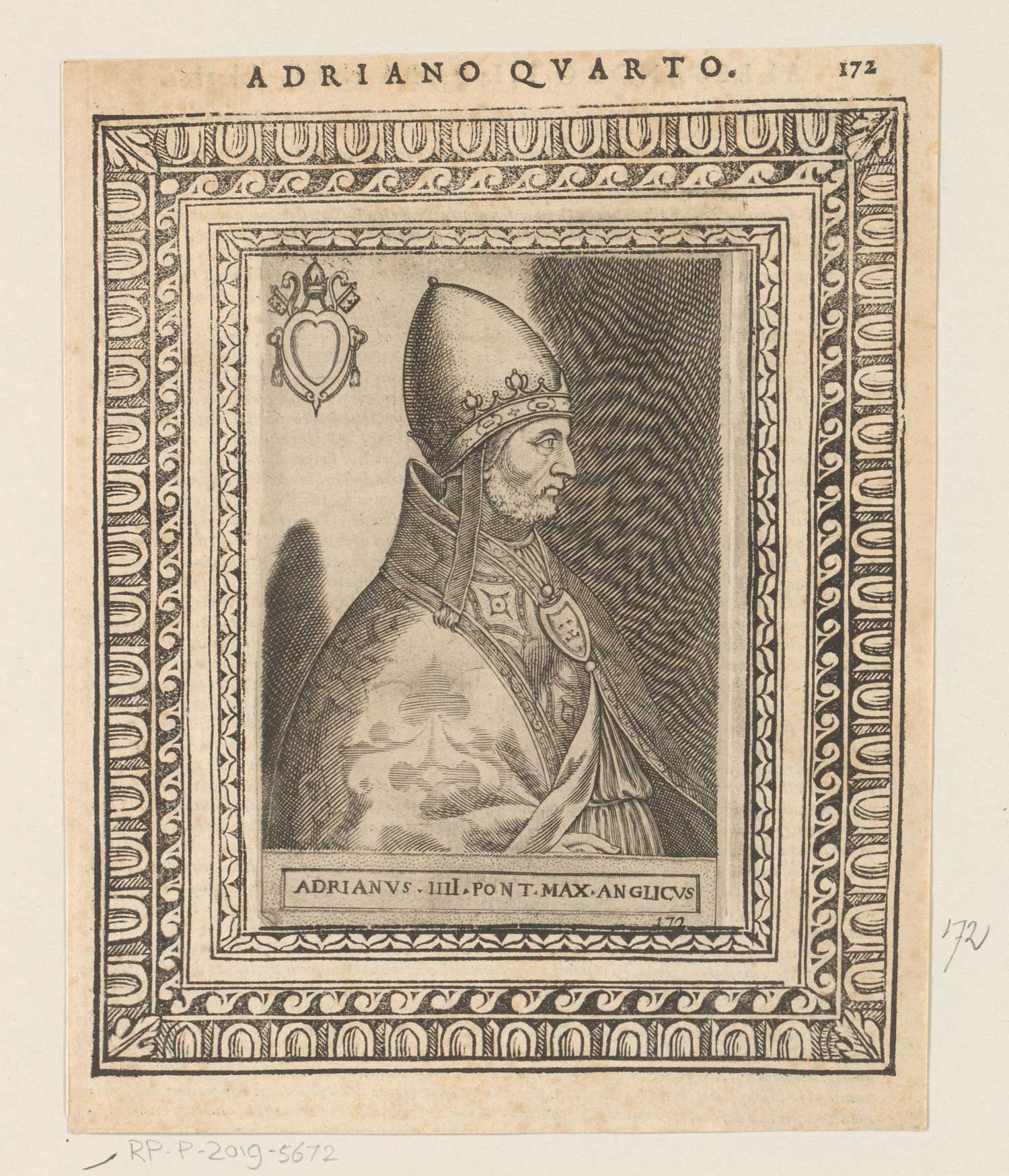
The chapter of Onze-Lieve-Vrouw holds two charters from 1158 and 1186 in which Pope Adrian IV and Pope Urban III respectively confirm the chapter of Onze-Lieve-Vrouw in all its possessions and rights. They are examples of what are known as bulls: charters on parchment bearing a lead seal (bulla). In the case of the 1186 charter, the seal has also survived. The use of lead instead of wax is characteristic of this type of papal document. One side bears the name of the reigning pope, the other the heads of the apostles Peter and Paul.

In the charters the popes declare that they take the chapter under their protection, and to that end they list all its rights to churches, tithes, income and possessions in Seraing, Bemelen, Sint-Pieter, Heugem, Herk-de-Stad, Glons, Rosmeer, Wonck, Emael, Kanne, Breust, Linderhof, mills and farms in Maastricht, Amby, Wyck, Wijshagen, Moelingen, Elderen, Houthem, the mills at Viertoren in the Jeker valley, and Sittard. No one may disturb the chapter in the peaceful possession of these properties. The list gives a good overview of the chapter's property in the twelfth century. It is worth noting that the calendar of anniversary masses in the church, in which the chapter's benefactors were commemorated, sometimes also names the donors of these properties. The text was signed by the pope and a number of cardinals.
Apart from the opening and the signatures, the two documents are virtually identical in content. The text of 1158 was clearly used as the model for that of 1186. They are examples of a so-called ‘solemn privilege’, as distinct from more ‘simple’ administrative documents such as ‘litterae’ and ‘breves’.
Like imperial and royal privileges, bulls confirming rights by the highest ecclesiastical authority were coveted documents for chapters and abbeys. After all, they were a powerful weapon against potential adversaries. This highest form of protection was reinforced still further by adding a fixed formula at the end of the document, by which anyone acting against this protection was separated ‘from the most holy Body and Blood of God and our Lord and Redeemer Jesus Christ’ – in other words, excommunicated. Anyone who opposed these rights of the chapter would have to answer for it at the Last Judgement.
The genuineness or authenticity of the document was therefore of great importance. It is no surprise, then, that such documents were attractive to forgers. Sometimes this was done with ill intent, but there were also attempts to replace a damaged text or a lost document with a ‘new’ copy. To guarantee authenticity, the scribes in the papal chancery worked according to precisely defined rules and models. These marks of authenticity applied not only to the parchment, the layout of the text and the script, and the monograms; even the flourishes and squiggles were made according to fixed rules. The cord to which the lead seal was attached was also subject to special requirements: coloured silk for solemn privileges, hemp for simple documents.
Papal charters stand more or less at the beginning of the development of charters as written sources of law. Later, because of the great authority attributed to them, lower officials such as bishops can also be seen modelling the deeds they issued on papal examples.
partners


donors